電商網站 vs 平台開店:品牌自建官網的考量與案例Your own online store vs marketplaces: what brands should weigh, with real cases
蝦皮、momo 開店和自建品牌官網各有什麼優缺點?從費用、顧客資料、品牌體驗、流量與營運負擔比較,並整理 Nike、Gymshark、Allbirds 等公開案例。
Marketplace or your own store? We compare fees, customer data, brand experience, traffic and workload, with documented cases from Nike, Gymshark, Allbirds and more.
想在網路上賣東西,多數品牌的第一步是到蝦皮、momo 或 PChome 等平台開店:上架快、平台本身就有人潮,金流物流也都現成。等到生意穩定下來,很多老闆會開始問:「要不要做自己的官網?」這篇文章從費用結構、顧客資料、品牌體驗、流量成本與營運負擔幾個面向,比較平台開店與品牌官網的差別,並整理幾個公開報導的案例,最後談談多數品牌實際採用的做法:兩邊一起經營。
兩條路有什麼不同
平台開店像是進駐百貨公司或大型商場:人潮由商場負責,但櫃位規則、活動檔期與陳列方式由商場決定。品牌官網則像自己開一間街邊店:裝潢、定價、會員制度都由你決定,但客人要靠你自己帶進來。
品牌官網又可以分成兩種做法:
- 開店平台(SaaS):例如 Shopify、SHOPLINE、91APP、CYBERBIZ 等,按月或按年付費,套用版型、串好金流物流就能上線,適合大多數中小品牌。
- 客製開發:依照自己的商品、會員與作業流程從頭打造,彈性最高,但前期投入與後續維護也最多,通常在流程特殊、需要和既有系統深度串接時才值得考慮。
費用與毛利結構
平台開店的費用通常跟著營業額走:成交手續費、金流服務費、參加檔期或免運活動的額外費用,以及站內廣告。好處是前期幾乎不用投資,賣多少付多少;缺點是業績越大,付給平台的金額也越大,而且費率與活動規則由平台調整,你只能配合。
品牌官網的費用結構比較像「固定成本加行銷費」:開店平台月費或開發費、金流手續費、主機與維護,再加上把客人帶進來的廣告與內容成本。各平台的費率與方案經常調整,本文刻意不列具體數字,評估時請直接查各平台官方公布的最新收費頁面,把預估營業額代進去試算,比較兩邊每一張訂單實際剩下多少毛利。
顧客資料歸誰
在平台上成交的訂單,顧客首先是「平台的會員」。平台會提供一定程度的銷售數據與站內溝通工具,但能拿到多少聯絡資訊、能不能在站外再行銷,都要依照平台規則。對想長期經營回購的品牌來說,這是最大的限制。
在自己的官網成交,會員名單、購買紀錄與瀏覽行為都留在你的系統裡,可以做會員分級、生日禮、回購提醒,也能和門市 POS、LINE 官方帳號串接。當然,資料拿在手上就要負起責任:依照個人資料保護法告知用途、取得同意,只收集真正需要的資料,並做好資安。
品牌體驗與定價主導權
平台的商品頁長得都差不多,消費者常在同一個搜尋結果裡比價,品牌故事很難完整傳達。平台舉辦大型檔期時,商家也常需要配合折扣才能保住曝光。官網則能自由安排頁面與內容,決定要不要參加促銷,也比較容易維持價格一致,這對想走中高價位、強調品質或理念的品牌特別重要。
流量從哪裡來
這是官網最現實的挑戰:平台本身就是搜尋引擎,消費者打開 App 就在找東西買;官網則沒有人會自己經過,必須靠搜尋引擎優化、社群經營、廣告、口碑或門市引導。很多品牌一開始低估了這部分的成本,官網做好了卻沒有訂單。
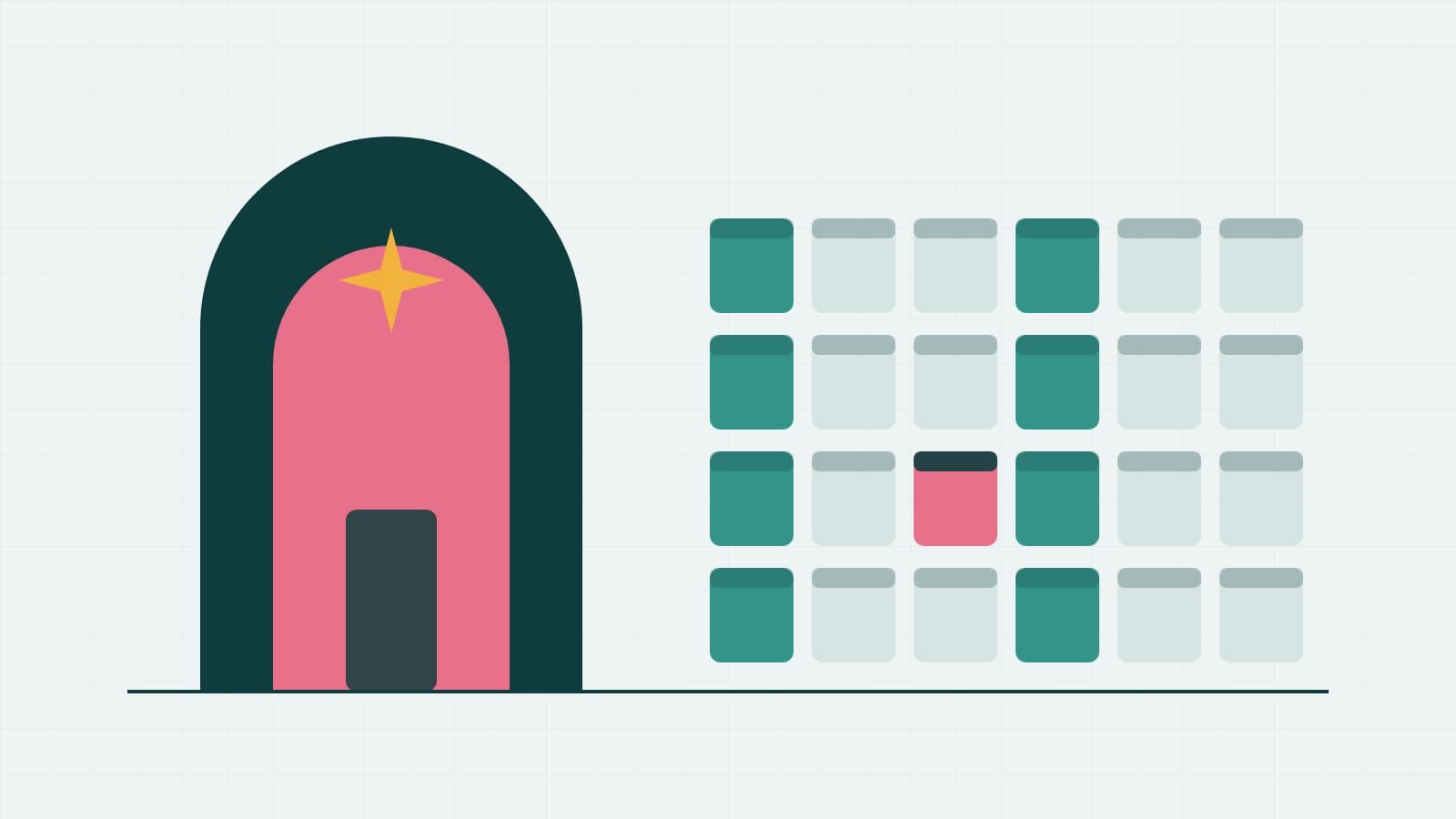
比較公平的算法,是把平台的手續費與站內廣告,和官網的廣告與內容成本放在一起看:前者是「借別人的人潮」,後者是「養自己的人潮」。前期借人潮通常比較省,但養出來的會員與搜尋排名會累積,長期來看是品牌自己的資產。
營運負擔
在平台上,系統穩定、金流與物流整合大多由平台處理,商家主要專注在商品、客服與出貨。自己經營官網,除了上述工作,還要負責網站內容更新、活動設定、外掛與系統維護、網站速度與資安。使用開店平台可以減輕大部分技術負擔,但行銷與會員經營仍然要有人負責;客製開發則需要長期的維護窗口。
公開案例:品牌怎麼選
以下為公開報導或官方發布的案例,並非源泉科技的客戶,內容依據文末參考資料整理。部分案例來自開店平台的官方案例頁或平台業者的觀點文章,屬於自述內容,請以參考的角度閱讀。
Nike:從大力推動直營,到重新擁抱通路
Nike 在 2017 年宣布名為 Consumer Direct Offense 的組織調整,目標是更直接、個人化地服務消費者,並在投資人文件中提到業務正朝直營、更貼近市場的模式轉移。2019 年,Nike 結束在 Amazon 美國站的直接銷售,理由是要和消費者建立更直接的關係。
但到了 2024 年底,新任執行長 Elliott Hill 公開承認,部分零售夥伴覺得 Nike 背棄了他們,過度優先發展自家數位營收也影響了整體市場的健康,因此要重建批發合作,打造直營與通路並行的經營方式。2025 年 5 月,Nike 證實將重返 Amazon 美國站。可見即使是大品牌,也很難只靠自有通路觸及所有消費者。
Gymshark 與 Allbirds:以官網起家的品牌
英國運動服飾品牌 Gymshark 2012 年起就在網路上直接販售。根據 Shopify 官方文章,它在 2013 年改用 Magento 架站,建置耗時六到八個月,之後在黑色星期五遇上網站當機約八小時,約十個月後又回到 Shopify,並用 Shopify POS 支援快閃店與實體活動的銷售。可見官網的穩定度和設計一樣重要。
美國鞋履品牌 Allbirds 則在 2016 年以 Shopify 上線,從官網起家;Shopify 的案例頁提到,它後來拓展實體門市時同樣採用 Shopify POS,讓門市可以出貨線上訂單,把會員與庫存資訊放在同一套系統裡。
古寶無患子:平台規則一變,官網成為根
根據 91APP 官方案例頁,台灣清潔用品品牌古寶無患子原本進駐綜合電商平台,後來平台調整策略,品牌不再擁有專館,消費者難以完整了解品牌理念。總經理王瑞閔在文中表示「品牌官網就是我的根」,之後建置官網與 App,並且很少參加促銷檔期。案例頁提到官網營收約占整體的六成,但這是平台與品牌的自述數字。
原價屋:官網展示,平台結帳
也有品牌反過來運用平台。《數位時代》刊登的一篇觀點文章(作者為蝦皮主管)提到,電腦零組件通路原價屋的官網以一頁式報價展示資訊,實際結帳則導向蝦皮商城,以利用平台的金流、物流與客服工具。這說明「官網」與「平台」不一定要二選一,分工方式可以依自己的強項設計。
混合策略:平台、官網、門市一起經營
從上面的案例可以看出,多數品牌最後走的是混合路線。實務上常見的分工如下:
- 平台負責觸及:讓還不認識你的消費者在平台上找到你,適合主力商品、入門款或檔期活動。
- 官網負責關係:完整商品線、品牌內容、會員制度與回購優惠放在官網,把第一次購買的客人慢慢轉成會員。
- 門市與 LINE 負責串連:有實體店面的品牌,可以讓門市、官網與 LINE 官方帳號共用會員資料,也就是常說的 OMO(虛實融合)。
建議的起步順序是:先在平台驗證商品與價格,等回購客群與品牌內容累積到一定程度,再建立官網;官網初期可以先用開店平台上線,等流程真的超出版型能做的範圍,再考慮客製。費用的估算方式可以參考網站製作費用的影響因素。
常見問題
剛起步的小品牌,需要一開始就做官網嗎?
不一定。如果商品與價格還在測試,先在平台開店通常比較省成本、也能更快得到市場反應。可以先準備好品牌名稱、網域與社群帳號,等有穩定的回購客人,再把官網排進計畫。
開店平台和客製開發怎麼選?
大多數中小品牌用開店平台就足夠,上線快、維護負擔小。當你需要特殊的訂購流程、和既有 ERP 或 POS 深度串接,或版型已經限制業務發展時,客製開發才比較划算。也可以先用開店平台,再針對不足的部分做串接或擴充。
同時經營平台和官網,價格要一樣嗎?
建議主要價格維持一致,避免消費者覺得在某個通路買比較吃虧。官網可以用會員點數、組合商品或專屬內容提供額外價值,而不是單純降價;同時也要留意各平台對商品價格與站外導流的規範。
結語
平台開店是很好的起點,能用較低的成本接觸大量消費者;品牌官網則是長期資產,累積的是會員、內容與定價主導權。兩者並不衝突,關鍵是想清楚每個通路在你生意裡扮演什麼角色。如果你正在評估自己的品牌官網,可以參考我們的網站設計與開發服務;也歡迎預約免費 30 分鐘諮詢,一起看看你的品牌現在適合從哪一步開始。
參考資料
- NIKE, Inc. Recasts Segment Financials in Connection with the Consumer Direct Offense,NIKE, Inc.(美國 SEC 8-K 附件),2017-09-25
- Nike CEO: Wholesale partners 'feel we've turned our back on them',Retail Dive,2024-12-20
- Nike to return to Amazon, raise prices,Retail Dive,2025-05-27
- Holiday Disaster to a $128M Global Brand: Behind Gymshark's Multi-Channel Empire,Shopify,2018-08-29 更新
- Allbirds Reduces Costs and Boosts Conversions with Ship from Store on Shopify POS,Shopify,未標示日期(2026-10-14 查閱)
- 拒打價格戰!無患子不與消費者談「速食戀愛」 創造 45% 會員超高回購率!,91APP 客戶案例(文中註明出自《商業周刊》),未標示日期(2026-10-14 查閱)
- 【觀點】中小型電商突圍,把平台變成「第二官網」!關鍵原則一次看,數位時代(觀點文章,作者為蝦皮主管),2023-05-26
For most brands, selling online starts on a marketplace such as Shopee, momo or PChome. Listing is quick, the platform already has the shoppers, and payments and shipping are built in. Once sales settle into a rhythm, many owners start asking whether they need a website of their own. This article compares marketplaces and a brand-owned store on fees, customer data, brand experience, traffic costs and day-to-day workload, looks at a few publicly documented cases, and ends with what most brands actually do: run both.
How the two routes differ
Selling on a marketplace is like renting a counter in a department store. The store brings the crowds, but it also sets the rules, the sale calendar and how your products are displayed. Your own online store is more like opening a shop on the street: the layout, pricing and loyalty scheme are all yours, but so is the job of bringing people through the door.
There are two ways to build that store:
- Hosted store builders (SaaS): Shopify, SHOPLINE, 91APP, CYBERBIZ and similar services charge a monthly or annual fee. You pick a theme, connect payments and shipping, and go live. This suits most small and mid-sized brands.
- Custom development: built around your own products, membership and workflows. It is the most flexible option and also the most expensive to build and maintain, so it usually pays off only when your processes are unusual or need deep integration with existing systems.
Fees and margins
Marketplace costs usually scale with revenue: transaction fees, payment processing, extra charges for joining campaigns or free-shipping programmes, and on-platform ads. You invest almost nothing upfront and pay as you sell. The flip side is that the more you sell, the more you pay, and the platform can change its rates and campaign rules whenever it likes.
An own store looks more like fixed costs plus marketing: the builder's subscription or a development fee, payment processing, hosting and maintenance, and the ads and content needed to attract visitors. Because every platform revises its pricing regularly, we deliberately leave out specific numbers here. Check each platform's current official pricing page, plug in your expected sales, and compare how much margin each order really leaves you in each channel.
Who owns the customer data
When an order goes through a marketplace, the shopper is first and foremost the platform's customer. Platforms share some sales data and in-app messaging tools, but how much contact information you get, and whether you may market to buyers elsewhere, depends on their rules. For brands that live on repeat purchases, this is the biggest constraint.
On your own store, the customer list, order history and browsing behaviour stay in your system. You can build membership tiers, birthday rewards and replenishment reminders, and connect everything to your shop POS or LINE Official Account. Holding that data also means taking responsibility for it: explain how it is used, get consent under Taiwan's Personal Data Protection Act, collect only what you need and keep it secure.
Brand experience and pricing control
Marketplace product pages all look alike, shoppers compare prices within a single search result, and your brand story rarely comes through. During big sale events, sellers often feel they have to discount just to stay visible. On your own site you control the pages and content, decide whether to run promotions at all, and can keep prices consistent. That matters most for brands that sell on quality or values rather than price.
Where the traffic comes from
This is the hardest part of running your own store. A marketplace is a search engine where people arrive ready to buy; nobody wanders past your website by accident. Visitors have to come from search optimisation, social media, ads, word of mouth or your physical shops. Many brands underestimate this cost and end up with a polished site and few orders.
A fair comparison puts marketplace fees and on-platform ads next to your own site's ad and content spend. The first is renting someone else's audience; the second is building your own. Renting is usually cheaper at the start, but the members and search rankings you build keep compounding and stay with the brand.
Operational workload
On a marketplace, uptime, payments and logistics integration are mostly the platform's problem, so you can focus on products, customer service and fulfilment. With your own store you also take on content updates, campaign setup, apps and system maintenance, site speed and security. A hosted builder removes most of the technical burden, but someone still has to own marketing and membership. A custom build needs a long-term maintenance partner.
Documented cases
The cases below are public, documented examples, not Rejoicing Fountain clients; details are summarised from the references at the end. Some come from store builders' own case pages or an opinion piece by a marketplace executive, so treat them as self-reported.
Nike: from going direct to rebuilding partnerships
In 2017 Nike announced a reorganisation called the Consumer Direct Offense, aimed at serving consumers more personally, and told investors its business was shifting towards direct, closer-to-market models. In 2019 it stopped selling directly on Amazon's US site, saying it wanted more direct relationships with consumers.
By late 2024, new CEO Elliott Hill acknowledged that some retail partners felt Nike had turned its back on them, and that prioritising Nike's own digital revenue had hurt the health of its marketplace. He committed to rebuilding wholesale relationships and running direct and partner channels side by side. In May 2025 Nike confirmed it would return to Amazon in the US. Even a brand as big as Nike found it hard to reach every customer through its own channels alone.
Gymshark and Allbirds: brands built on their own stores
UK sportswear brand Gymshark has sold directly online since 2012. According to Shopify, it moved to Magento in 2013 in a build that took six to eight months, then saw its site go down for about eight hours on Black Friday. Around ten months after the switch it went back to Shopify, and it uses Shopify POS to sell at pop-up stores and live events. The lesson: a store's reliability matters as much as its design.
US footwear brand Allbirds launched on Shopify in 2016 and grew from its own website. Shopify's case study says that as it opened physical stores it also used Shopify POS, letting stores fulfil online orders and keeping customer and inventory data on one platform.
Gubao Soapberry: when marketplace rules change
According to a 91APP case page, Taiwanese cleaning-products brand Gubao Soapberry (古寶無患子) used to sell on a general marketplace until the platform changed its strategy and the brand lost its dedicated brand page, making it hard for shoppers to understand what the brand stood for. Its general manager describes the brand website as the brand's roots. The company built a website and app and rarely joins discount events. The case page says the website brings in about 60% of revenue, a figure reported by the vendor and the brand.
Coolpc: showroom on the site, checkout on the marketplace
Some brands use marketplaces the other way round. An opinion piece in Business Next (數位時代), written by a Shopee executive, describes how computer-parts retailer Coolpc (原價屋) uses its website as a one-page price list while sending checkout to its Shopee Mall store to use the platform's payments, logistics and chat. Website and marketplace do not have to be either-or; the split can follow your strengths.
A hybrid strategy
As these cases show, most brands end up somewhere in between. A common division of labour:
- Marketplaces for reach: help shoppers who do not know you yet find you, especially for hero products, entry-level items and sale events.
- Your own store for relationships: the full range, brand content, membership and repeat-purchase perks live on your site, turning first-time buyers into members.
- Shops and LINE to tie it together: brands with physical stores can share one member database across shops, website and LINE Official Account, often called OMO (online-merge-offline).
A sensible order is to validate products and pricing on a marketplace first, then build your own store once you have repeat customers and brand content worth showcasing. Start on a hosted builder, and consider custom work only when your processes genuinely outgrow what themes can do. For budgeting, see what affects the cost of a website.
FAQ
Does a brand-new small brand need its own website from day one?
Not necessarily. While you are still testing products and prices, a marketplace is usually cheaper and gives faster feedback. Secure your brand name, domain and social handles early, and plan the website once you have steady repeat customers.
Hosted store builder or custom development?
A hosted builder is enough for most small and mid-sized brands: quick to launch, light to maintain. Custom development makes sense when you need an unusual ordering flow, deep integration with an existing ERP or POS, or when themes are holding the business back. You can also start on a builder and add integrations where it falls short.
Should prices be the same on the marketplace and my own site?
Keeping core prices consistent is wise, so no channel makes customers feel short-changed. Use member points, bundles or exclusive content to add value on your own site rather than simply cutting prices, and check each marketplace's rules on pricing and directing shoppers off-platform.
Wrapping up
A marketplace is a fine place to start and reaches lots of shoppers at low cost. Your own store is a long-term asset that builds members, content and pricing control. The two are not in conflict; what matters is being clear about the role each channel plays in your business. If you are weighing up a brand website, take a look at our website design and development service, or Book a free 30-minute consultation and we will help you work out the right next step for your brand.
References
- NIKE, Inc. Recasts Segment Financials in Connection with the Consumer Direct Offense, NIKE, Inc. (SEC Form 8-K exhibit), 2017-09-25
- Nike CEO: Wholesale partners 'feel we've turned our back on them', Retail Dive, 2024-12-20
- Nike to return to Amazon, raise prices, Retail Dive, 2025-05-27
- Holiday Disaster to a $128M Global Brand: Behind Gymshark's Multi-Channel Empire, Shopify, updated 2018-08-29
- Allbirds Reduces Costs and Boosts Conversions with Ship from Store on Shopify POS, Shopify, undated (accessed 2026-10-14)
- 拒打價格戰!無患子不與消費者談「速食戀愛」 創造 45% 會員超高回購率!, 91APP customer case (credited to Business Weekly), undated (accessed 2026-10-14)
- 【觀點】中小型電商突圍,把平台變成「第二官網」!關鍵原則一次看, Business Next (數位時代; opinion piece by a Shopee executive), 2023-05-26